The prairie, the horizon, hilltops, and valleys. The opening title sequence of Silver Lode (1954) is like any other western. It confirms the images that emerge before your inner eye as soon as you hear the word ‘western’. It is a landscape iconography, however, that the film will not dwell on. That it leaves behind as soon as ‘Directed by Allan Dwan’ has faded to black.
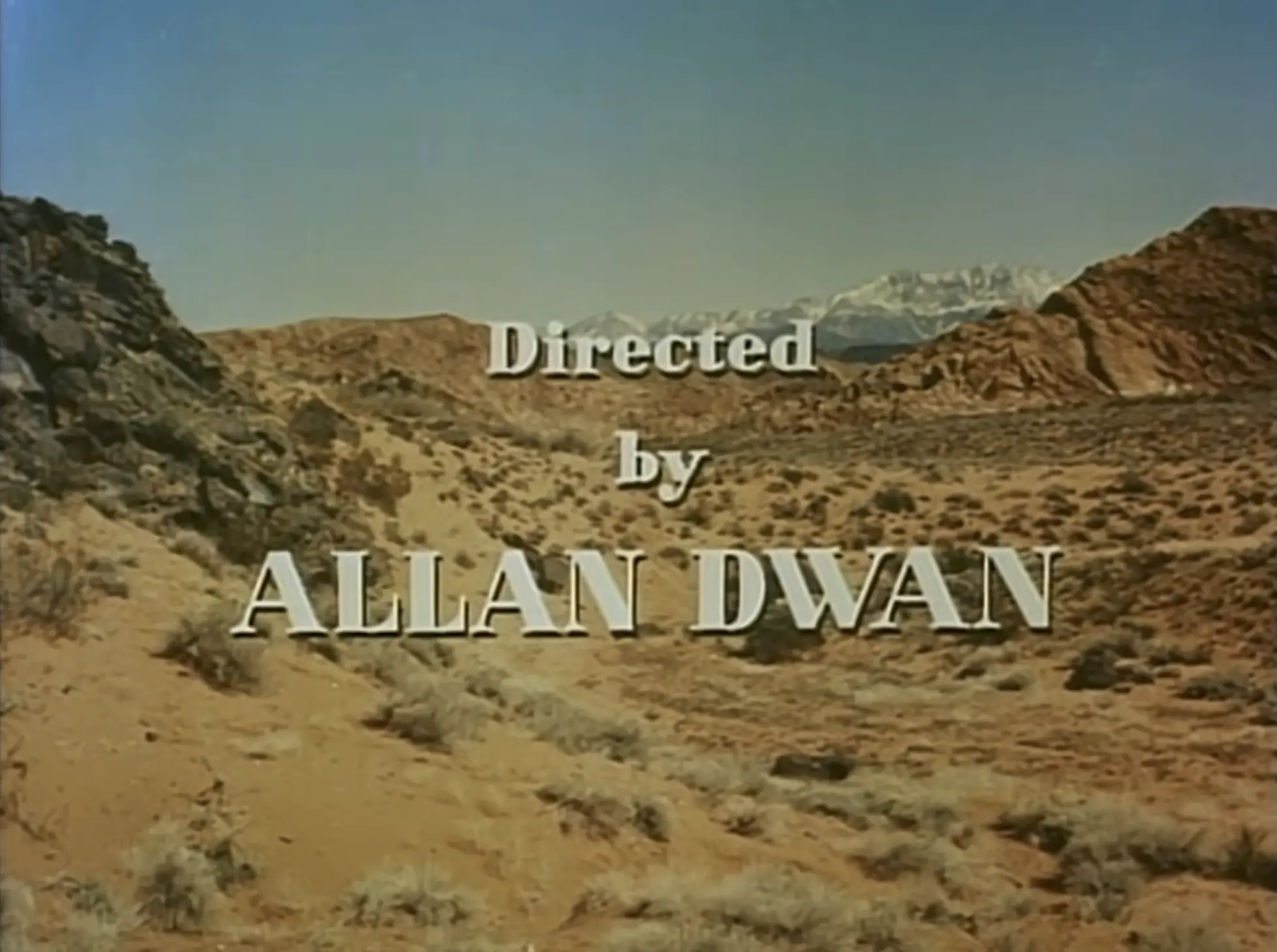
Silver Lode (Allan Dwan, 1954)
The film then moves inside, where it will stay for the most part: the villa, the saloon, the church, the judge’s office and the hotel room. All archetypal spaces of the western, slightly thrown off balance by the absence of the open landscape that would otherwise serve as their visual counterpoint. As Dwan’s camera moves inside, his compositions accentuate our sense of confinement. Every room is densely packed. Even the massive barn at the center of the town feels surprisingly cramped as Dwan cuts between medium shots and close-ups and fills the background with stacks and stacks of hay bales. Here and elsewhere, Silver Lode has a mise en scène of walls, things, and people encroaching on John Payne’s character, Ballard.
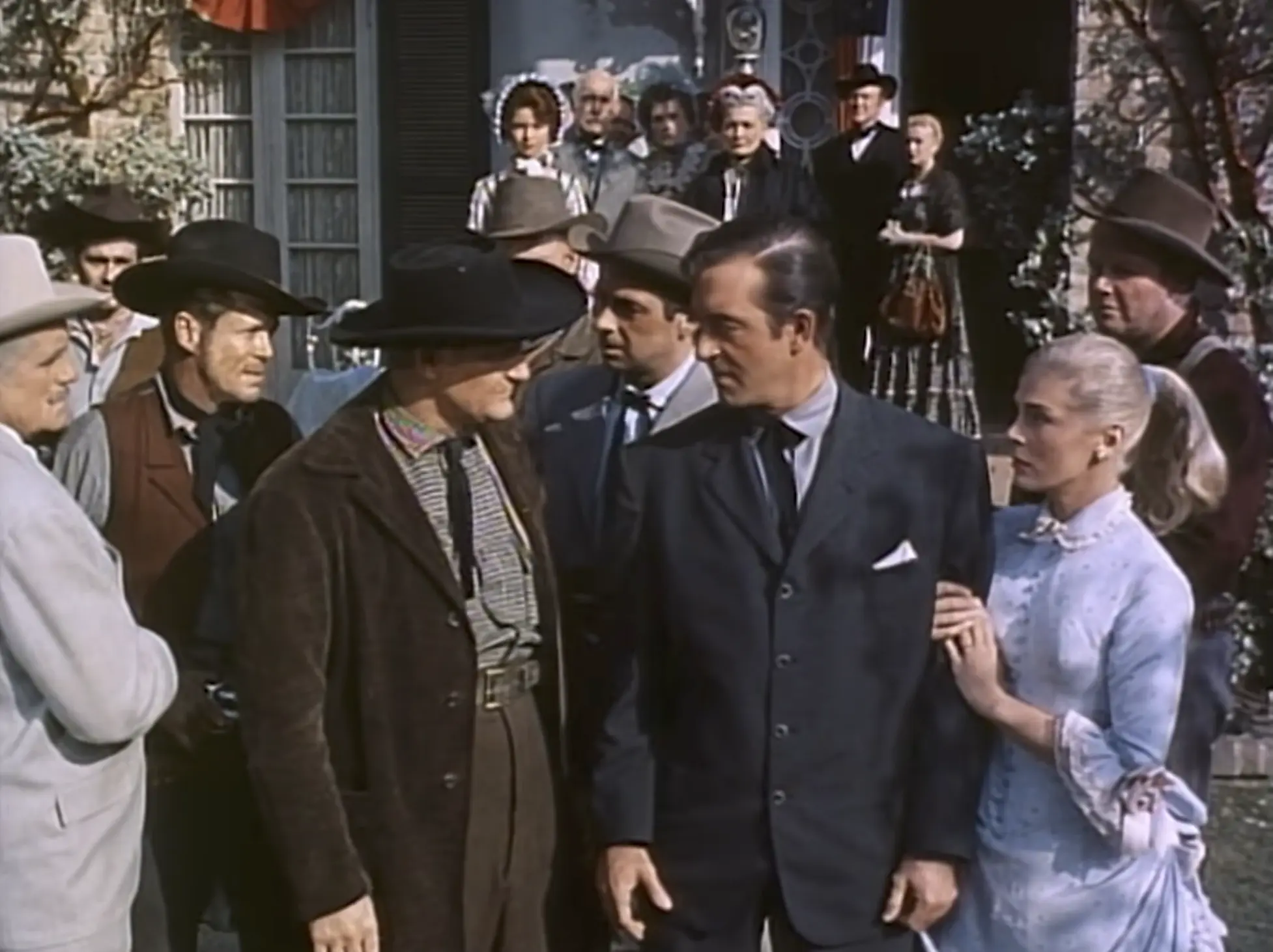
It is a film about group dynamics, false accusations, and herd mentality. Only in a B movie like this could Dwan comment so openly on McCarthyism. The villain (Dan Duryea) is even named McCarty, a con man who intrudes on Ballard’s wedding to accuse him of murder. Ballard does not try to defend himself. Straightening his posture, he walks down the small town’s main street alongside his wedding guests to face the charge and prove his innocence. One by one, townspeople fall in step, and the crowd grows. It is not a cheerful procession, but neither is it a cortege of mourners. McCarty’s accusation has not turned the wedding into a funeral march so much as mobilized it into a demonstration. As Bill Krohn and Andy Rector have pointed out, the characters’ incorruptible postures recall the photographs taken of Lauren Bacall, Humphrey Bogart, and other A-listers when they protested McCarthy’s House of Un-American Activities Committee in Washington in 1947. [1]
Was Dwan a political filmmaker? He was undoubtedly a filmmaker of values. More than four of the film’s eighty-one minutes are devoted to the wedding guests’ procession. The scene might begin as a reference to contemporary political conditions, but it ends up evoking something more elemental. The movement of the crowd is Dwan’s appreciation of honesty.
Silver Lode belongs to the intimate westerns of the 1950s, a unique moment in film history. Images of earthbound local communities, tales of equality and dignity. A decade of small westerns and Americana. The films are simple in their development, allowing for the appreciation of human compassion. They are set in pastoral-prosaic spaces with characters who live restrained lives, or at least aspire to them, and are dynamic because their unobtrusive quality resists the genre’s promise of the mythical open plains. Films about settling down on the farm: Nicholas Ray’s Run for Cover (1955) and King Vidor’s Man Without a Star (1955). About getting to know your neighbor: Jacques Tourneur’s Stars in My Crown (1950), Hugo Fregonese’s Saddle Tramp (1950). About falling in love with another man’s wife: Edgar G. Ulmer’s The Naked Dawn (1955), Charles Marquis Warren’s Tension at Table Rock (1956). Films that don’t embark on a journey but instead stay home. Or try to build one.
There are certain moments and incidental details in Dwan’s films that one never forgets. Ronald Reagan’s hand on John Payne’s shoulder in Tennessee’s Partner (1955), the narrow rural street in Passion (1954), the painted Technicolor sky at dusk in The Restless Breed (1957). In Silver Lode, however, it is less a single image or gesture but the accumulation of frontally filmed close-ups and medium shots that leaves an impression. Especially when Dwan cuts from one head-on close-up to another. Do the characters face each other or stand several feet apart? The answer is not always obvious. Still, Dwan does not press the effect. He is not out to make noise. Even in these passages, we can be sure that sooner or later he will re-establish the space with a fuller view.
And then there are the backdrops... In how many scenes are the backgrounds made up entirely of doors and windows? Triangles, squares, color panels, edges, plywood with paint on. The backdrops are like geometric planes. They smooth out the depth of the images, flatten them. An unadorned mise en scène, and therefore all the more beautiful. It uses backdrops as backdrops — as expedient physical things and shapes. Moreover, Dwan’s sets were often recycled: guns, carriages, and houses were sent from the A movies to the B movies. Did Dwan ask for these sets, or did the studio require them? Did he have an opinion about them, or did he just go ahead and shoot? What other films have these sets been in? What mute testimony can they give us about the industry and production logic behind the films themselves? When it comes to Dwan, it is hard to let background be background.
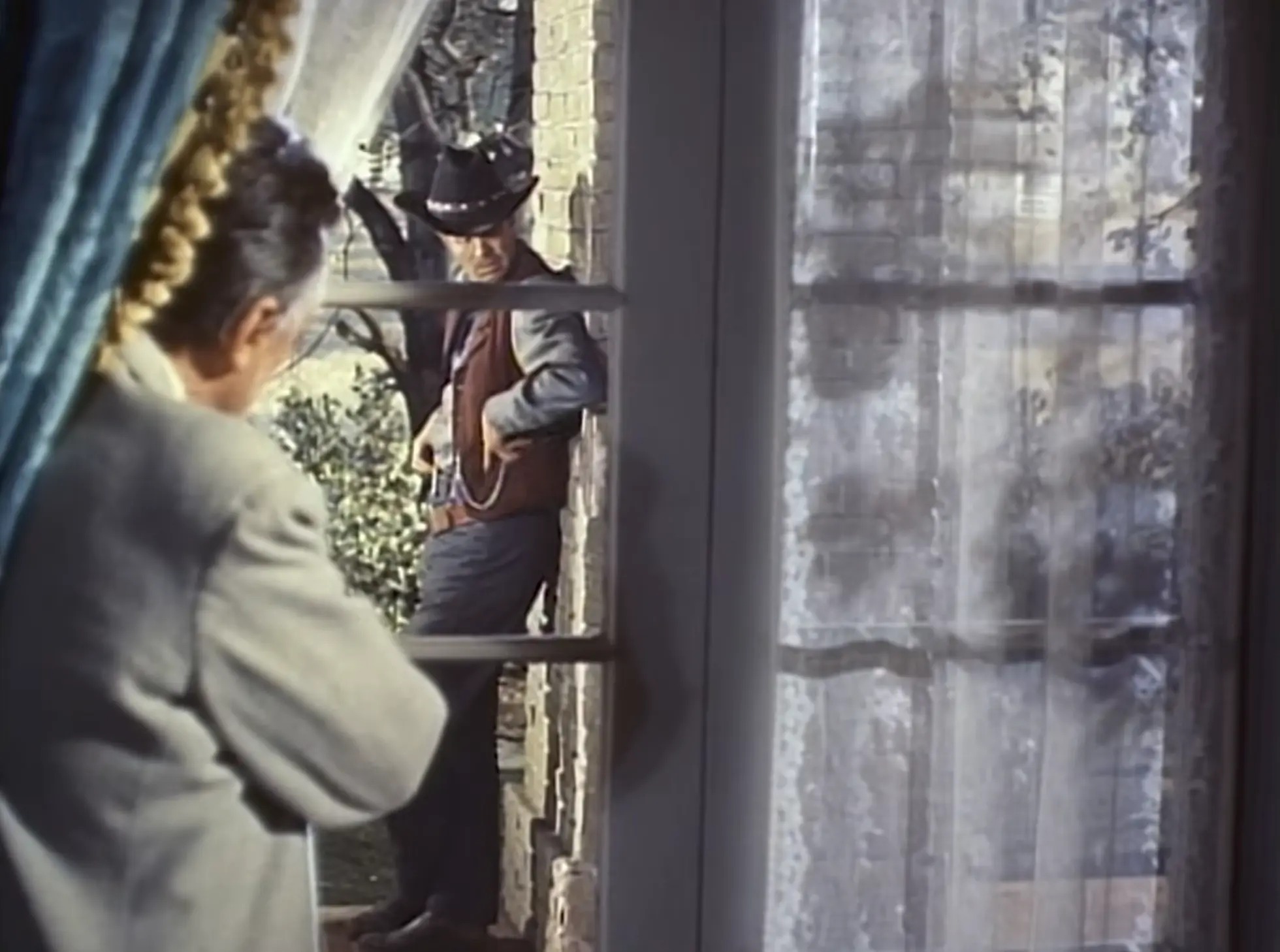
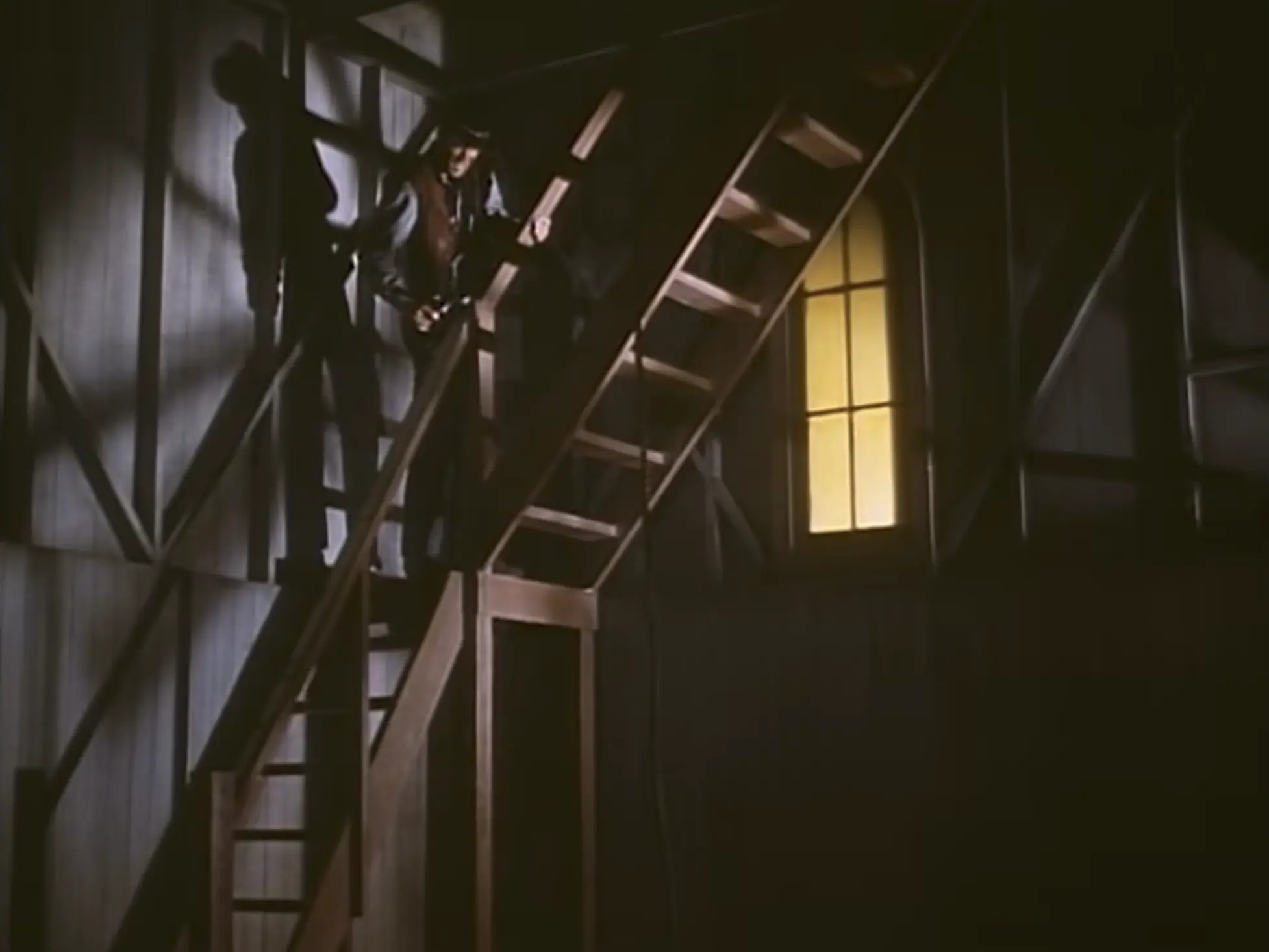
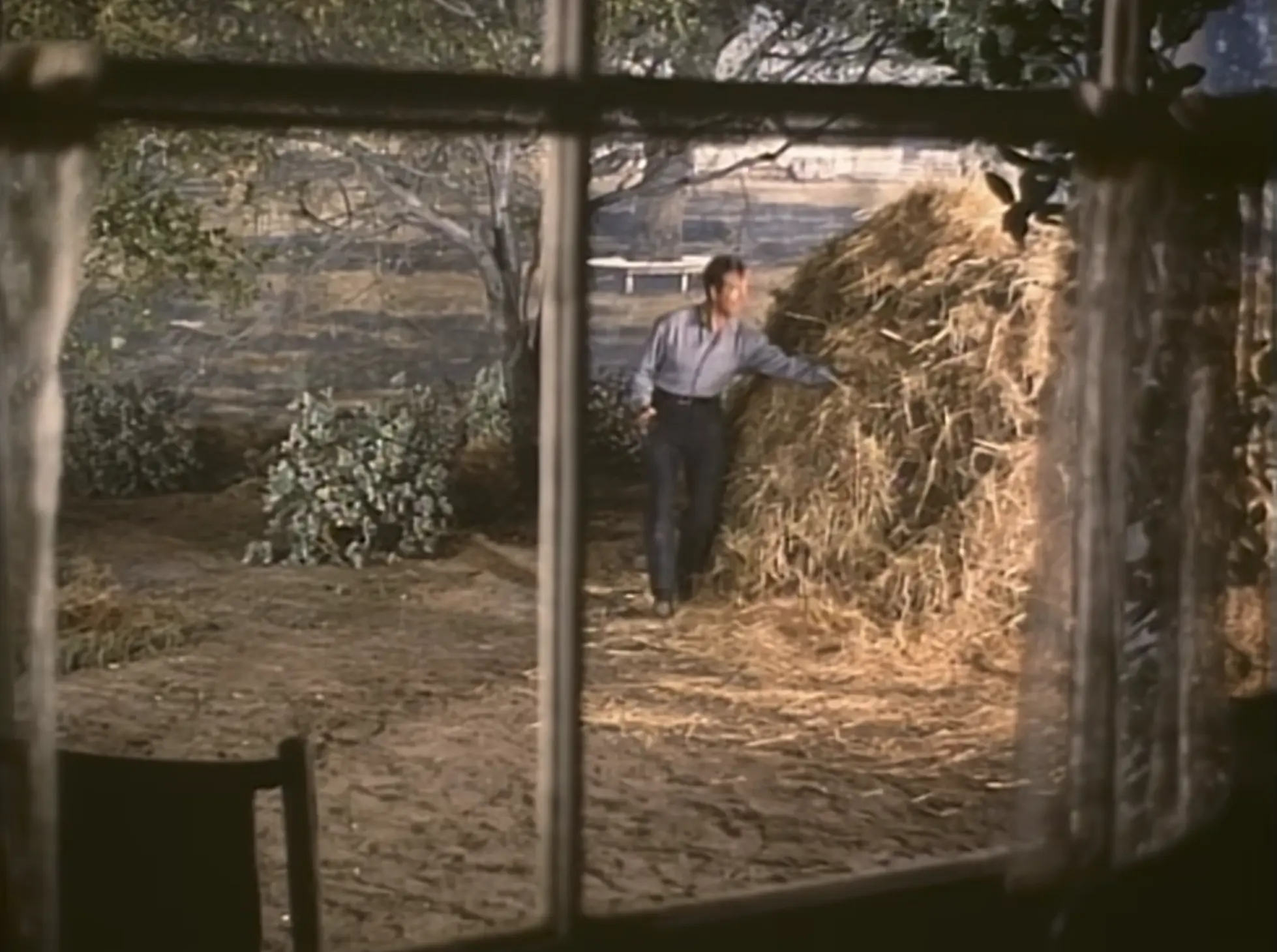
Dwan had faith in conventions (it was, after all, him and Griffith who helped establish them in the 1910s). By the 1950s, Dwan was not necessarily interested in creating a new cinematic language. At best, he wanted to expand the existing one a bit, to show its narrow amplitude. The frontally filmed close-ups and the materiality of his backgrounds enrich the classical virtues of the western. Jean Renoir supposedly once said that the western is always the same, which gives the director enormous freedom. Tradition and freedom are each other’s prerequisites, not opposites. A filmmaker like Dwan erases his signature while writing it. Silver Lode could only have been made by Dwan, but it equally depends on the sameness of the western genre and its charming tropes. A unique film and a film like any other.
Is Dwan forgotten today? Not necessarily, but then again, it certainly wouldn’t be wrong to add him to the long list of filmmakers from classical Hollywood who spent their final days in the shadows of obscurity. His films have a following, but to my knowledge the number of monographs dedicated to Dwan can be counted on one hand.
However, if Dwan is forgotten, it wouldn’t be wrong to say that he wanted it that way. His films live a self-imposed, quiet existence. ‘When you raise your head above the mob, they try to knock it off’, Dwan allegedly said, ‘If you stay down, you’ll live forever’. [2] Dwan did not want to create masterpieces (though they often ended up that way). Content to let his films live in the shadows of our collective memory, he created small films about quiet gestures and admirable actions. He shared the spirit of his characters: everyone is just doing their job. Silver Lode is a continuation of the galloping tintype, a nickname for the compelling one-reel westerns Dwan created in abundance during the 1910s. The production was perhaps more important than the pictures themselves. Dwan kept his head down and managed to make over 400 films. 85% are now lost. It’s too bad for us, but Dwan probably didn’t lose any sleep over it. Cinema wasn’t his calling. He was an electrician and only later, by accident, a director.
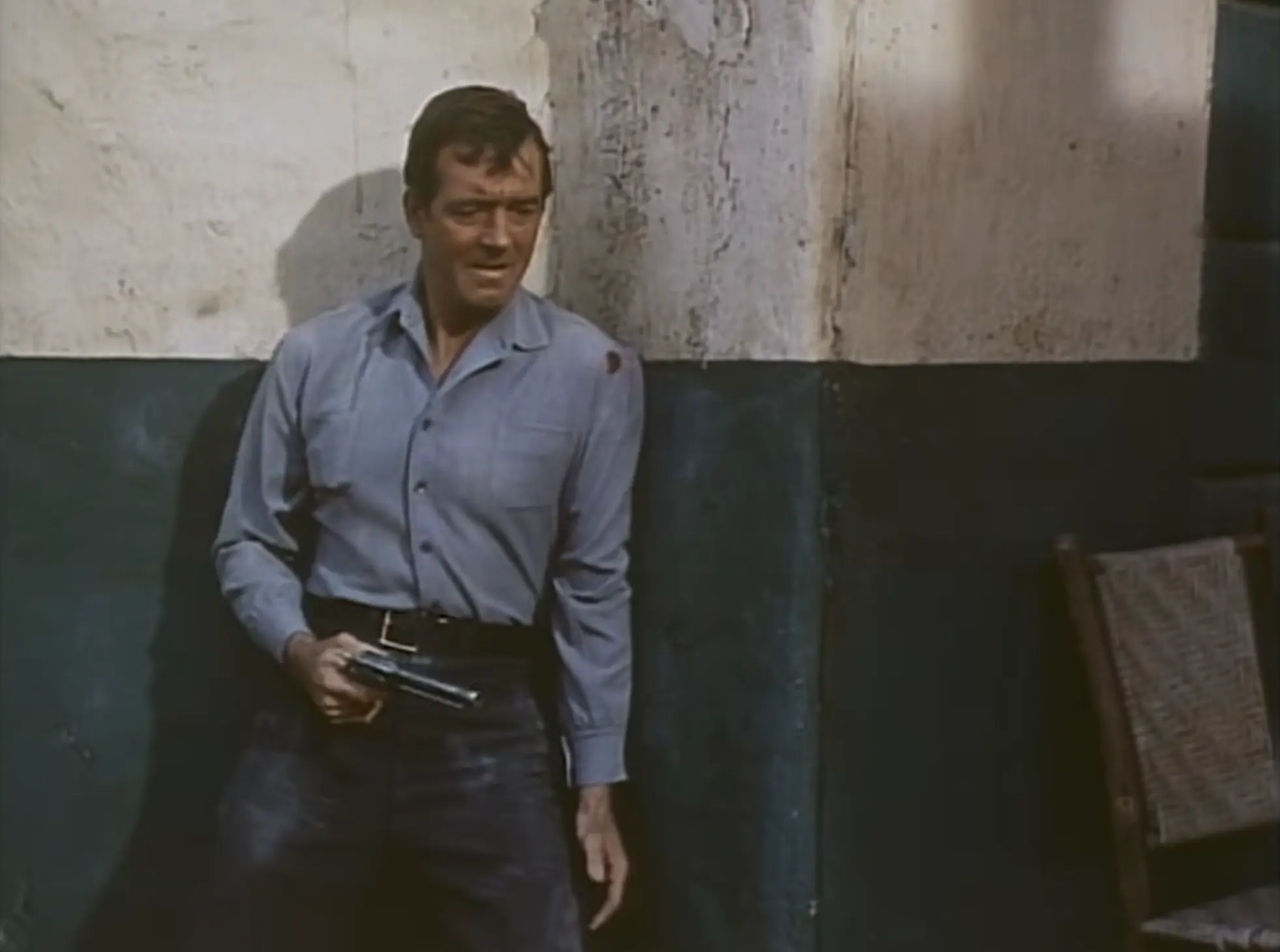
Dwan always insisted on his artistic innocence. When he was asked to sum up cinema’s raison d’être in 1975, he simply said, ‘It’s a made-up world, so relax and enjoy it.’ Whether we accept such statements and the director’s self-proclaimed unsophistication depends on which myth we want to pass on. The same can be said of Dwan today: half-forgotten or in self-imposed exile? It’s up to us to decide. Even if he had confessed and acknowledged that his films were more than just the work of making them, something had to remain unsaid.